
Cooler weather in Valley Village may not look like a snowy winter in other states, but your garage door can still feel the change. Mornings get cooler, moisture can settle around the door, and older parts may start to squeak, stick, or move more slowly. If your garage is attached to your home, you may also notice more cold air near the floor or around the edges of the door. That is why garage door winter prep matters, even in Los Angeles.
A few simple checks before the season changes can help your garage door run smoother, protect your opener from extra strain, and keep small wear from turning into an urgent repair. The good news is that most prep starts with basic inspection, cleaning, and maintenance.
If you live near Valley Village Park, close to Laurel Canyon Boulevard, or around nearby Studio City, Sherman Oaks, or North Hollywood, your garage door likely gets daily use. That daily use adds up. Before cooler weather settles in, here is how to get your garage door ready.
Step 1: Start Garage Door Winter Prep With a Visual Inspection
Before touching anything, stand inside your garage and watch the door go through one full open-and-close cycle. Does it move smoothly or does it shake? Is one side lift faster than the other? Do you hear scraping, popping, or grinding?
A garage door should move evenly without forcing the opener to work too hard. If the door looks crooked, jerks as it moves, or feels heavy, stop using it and schedule service. These signs can point to cable, spring, roller, or track issues.
Look for these warning signs:
- Worn or cracked rollers
- Loose hinges or brackets
- Frayed cables
- Bent tracks
- Gaps around the weather seal
- Rust on metal parts
- A door that does not close all the way
This first inspection gives you a clear idea of what needs attention. It also helps you explain the issue if you call a technician for garage door valley village service.
Step 2: Check the Weather Seal During Garage Door Winter Prep
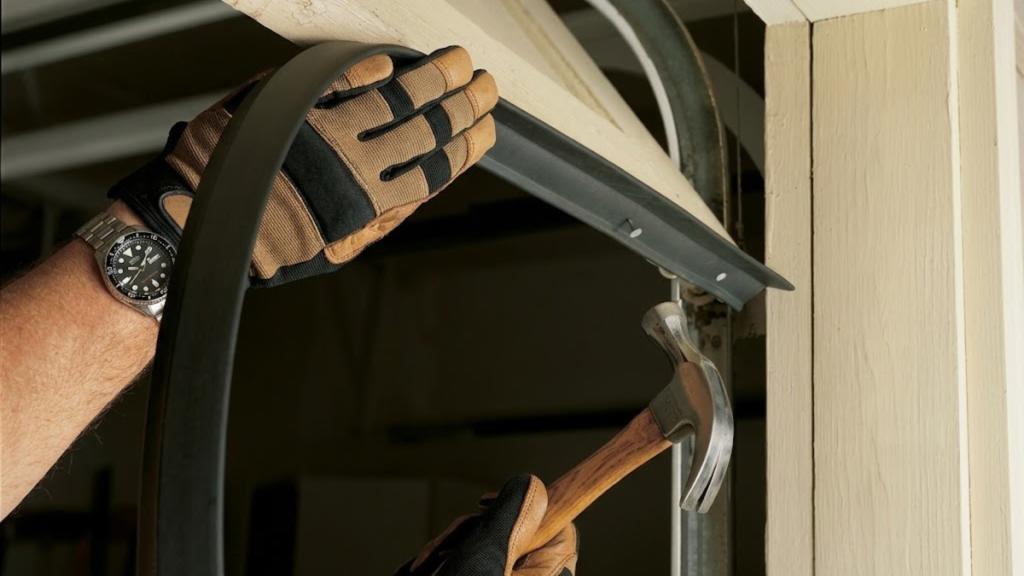
The garage door weather seal is one of the most important parts to check before cooler weather. It runs along the bottom of the door and helps block drafts, dust, water, pests, and leaves.
Over time, the rubber can crack, flatten, or pull away from the door. When that happens, cold air can slip into the garage. If you use your garage as a laundry area, storage space, home gym, or workshop, you may feel the difference quickly.
Close the garage door and look at the bottom from inside. Do you see light coming through? Is the seal uneven? Does one corner have a gap? If so, the seal may need adjustment or replacement.
Also check the side and top seals. These areas can wear down too. A tight seal helps protect the garage and can make the space feel more comfortable during cooler months.
Step 3: Clean the Garage Door Tracks, but Do Not Lubricate Them
Dirty tracks can make your garage door sound rough or feel sticky. Dust, leaves, small rocks, and old buildup can get in the way of smooth movement. This is common when the garage faces a busy driveway, alley, or tree-lined street.
Use a dry cloth or soft brush to clean visible debris from the tracks. You can also wipe away grime along the inside edges. However, do not pack grease or lubricant into the tracks. The rollers need to move through the tracks, but the tracks themselves should stay clean.
Too much lubricant inside the track can attract dirt and make the problem worse later.
Step 4: Lubricate the Right Moving Garage Door Parts
Lubrication is a key part of garage door winter prep. Cooler weather in Valley Village can make dry parts sound louder, especially if the door already needs maintenance.
Use a garage door lubricant, silicone-based spray, or white lithium grease. Apply a light amount to the moving parts that need it.
Focus on:
- Hinge pivot points
- Roller stems
- Metal bearings
- Spring area, if safely reachable
- Opener rail, only if your owner’s manual recommends it
Use a light coat. More product does not mean better results. After applying lubricant, open and close the door once or twice so the product can spread through the moving parts.
However, avoid using general household oils as your main fix. They may reduce noise for a short time, but they can attract dust and dry out faster.
Step 5: Test Door Balance During Garage Door Winter Prep
A balanced garage door should not feel extremely heavy. Your opener is designed to move a balanced door, not drag dead weight. If the springs are weak or worn, the opener may work harder and wear out faster.
You can do a simple safety check, but be careful. Close the door first. Pull the emergency release only if the door is fully closed and looks normal. Then lift the door by hand a few feet and see if it stays in place.
If the door drops, rises quickly, or feels too heavy, do not keep testing it. Contact a garage door technician. Spring and cable issues are not safe DIY repairs.
This step matters because balance problems often get worse with time. Catching them early can prevent opener strain and sudden failure.
Step 6: Look at Your Garage Door Insulation
Garage door insulation can make a real difference if your garage gets too cold, too warm, or uncomfortable during seasonal changes. It can also help if you have a bedroom, office, or living space near or above the garage.
An insulated door can help reduce heat transfer, soften outside noise, and make the garage feel more stable. If your current door is thin, old, dented, or poorly sealed, insulation may be worth considering.
Sometimes, adding weatherstripping helps enough. Other times, homeowners choose garage door replacement because the old door no longer seals or performs well. A new garage door with insulation can improve comfort, curb appeal, and daily use.
Step 7: Check the Opener Before It Struggles
Your garage door opener should sound steady and controlled. If it hums, clicks, shakes, or stops halfway, something may be wrong with the opener or the door system.
Before cooler weather arrives, test the opener with the remote and wall button. Watch how the door moves. If the opener light flashes, the sensors may need cleaning or alignment. If the motor strains, the door may be too heavy or out of balance.
Do not ignore opener strain. A weak opener may keep working for a while, but it can fail when you need it most.
Step 8: Replace Garage Door Remote Batteries and Test Safety Sensors
This step is simple, but many homeowners forget it. Replace old remote batteries before they die. A weak remote can make it seem like the opener has a bigger problem.
Next, clean the safety sensors near the bottom of the tracks. Dust, spiderwebs, or small bumps can affect alignment. Make sure both sensor lights are steady. If the door starts closing and then reverses, the sensors may need attention.
This quick check can save you from frustration on a busy morning.
Know When Garage Door Maintenance Is Not Enough
Sometimes, garage door winter prep reveals a bigger problem. Maybe the door has cracked panels, poor insulation, worn hardware, or repeated repair needs. Maybe it no longer fits the look of your home after exterior updates.
In that case, garage door replacement may be the better long-term choice. A new garage door can improve curb appeal, insulation, sealing, and smooth operation. It can also help if your current door is heavy, noisy, damaged, or outdated.
Fixxed Garage Doors can help you compare options for garage door installation, including insulated doors, modern steel designs, and styles that match Valley Village homes.
Garage Door Winter Prep Checklist
Use this quick checklist before the cooler season:
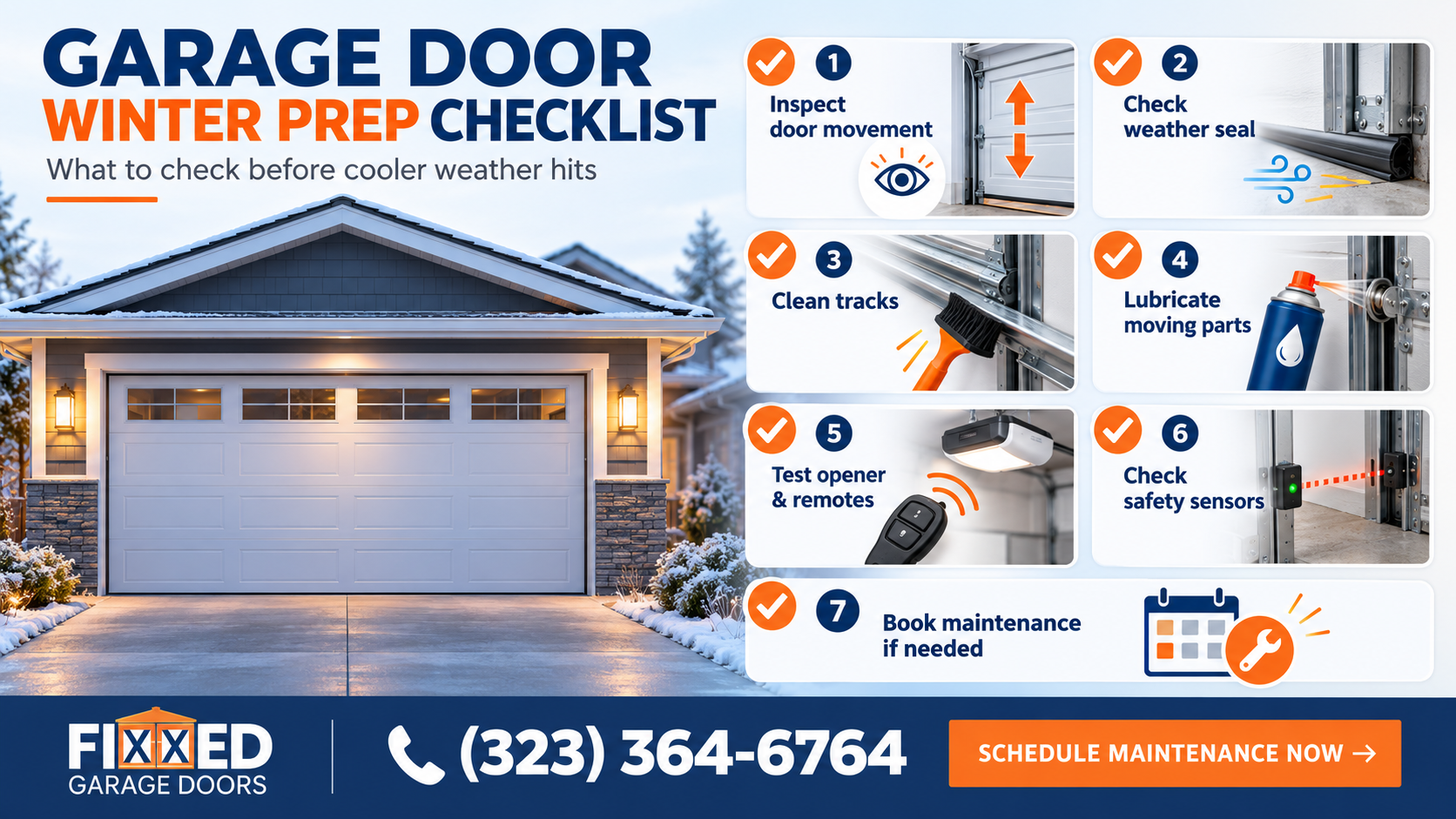
This checklist does not replace professional service, but it can help you catch early warning signs.
Garage Door Winter Prep: Keep Your Door Safe and Smooth
Cooler weather is a good reminder to give your garage door a closer look. You do not need harsh winter conditions for worn parts, weak seals, dry rollers, or opener strain to show up. A little garage door winter prep can help your door move smoothly, seal better, and avoid preventable repairs.
Start with simple checks you can do safely. Inspect the door, clean the tracks, check the garage door weather seal, and lubricate the right parts. If the door feels heavy, sounds rough, looks crooked, or refuses to close properly, call a technician before the issue gets worse.
Schedule Garage Door Maintenance Before Cooler Weather
Don’t wait until cold weather causes problems with your garage door. Fixxed Garage Doors provides expert garage door maintenance, installation, and replacement services for Valley Village and the greater Los Angeles area.
Our Yelp-verified team will inspect your door, check the weather seal, review the opener, and ensure your system is balanced and safe for the season. For many homeowners, this simple tune‑up prevents costly repairs and keeps the garage secure and reliable.
Call Fixxed Garage Doors at (323) 364‑6764 today to schedule maintenance or request your free estimate—and keep your garage door running smoothly all winter long.

Recent Comments